How CBD for Inflammation Works: A Practical Guide
Understanding Inflammation and CBD's Role
Inflammation is the body's natural response to injury or infection. It shows up as redness, swelling, heat, and pain. Acute inflammation helps you heal, but chronic inflammation can hang around for months or years, wearing down tissues and contributing to conditions like arthritis and neuropathic pain. Many people have turned to natural options for relief, and one that keeps coming up in conversations is cbd for inflammation. It's not a cure-all, but the research and real-world experiences suggest it can be a useful tool when used thoughtfully.
How CBD Interacts with Your Body
Your body has an endocannabinoid system, a network of receptors and signaling molecules that helps regulate pain, mood, sleep, and immune function. CBD oil, when taken in forms like tinctures or vape pens, interacts with this system. Unlike THC, CBD does not bind strongly to CB1 receptors in the brain, which is why it doesn't get you high. Instead, it works more indirectly, influencing the activity of these receptors and also interacting with CB2 receptors found on immune cells. By modulating the endocannabinoid system, CBD can help dial down the inflammatory response without the side effects of many pharmaceutical anti-inflammatory drugs.
One of the most compelling areas of study involves how CBD affects pain signaling. Chronic pain, especially neuropathic pain, often involves inflammation in the nerves themselves. CBD appears to reduce the release of pro-inflammatory molecules and may also influence NMDA receptors, which play a role in pain perception. A clinical trial from a few years ago looked at people with chronic pain conditions and found that full-spectrum CBD products offered noticeable improvements in pain scores and quality of life. The results weren't dramatic for everyone, but enough people reported less stiffness and better sleep that the interest keeps growing.
Forms of CBD That Work for Inflammation
Not all CBD products are the same. How you take it matters a lot for how it works. Here are some common forms you might consider:
- CBD oil and tinctures: These are easy to dose and absorb quickly under the tongue, but the effects wear off faster than with edibles.
- CBD edibles: Gummies, chocolates, and other treats offer longer-lasting relief because they pass through digestion. The trade-off is a slower start, often 30 to 60 minutes.
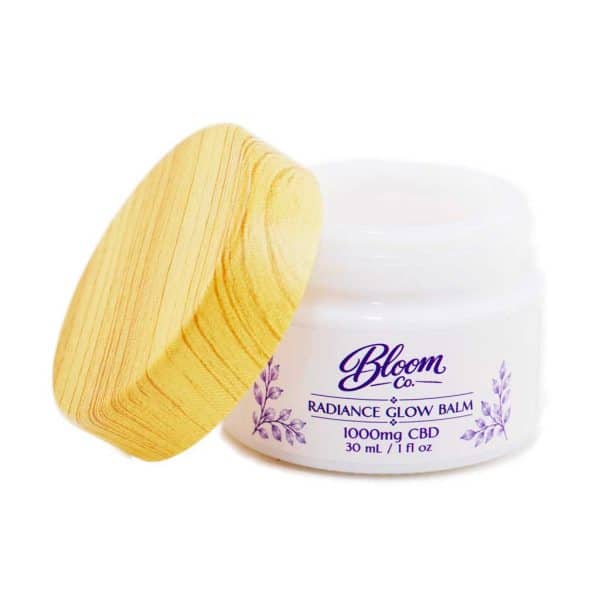
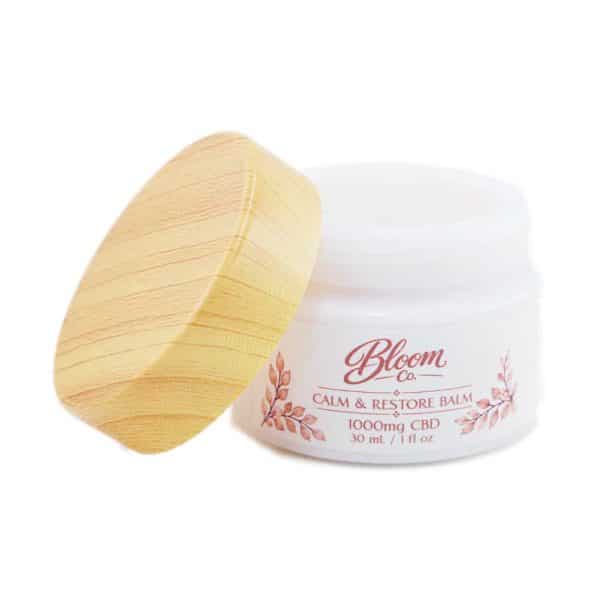
- CBD balms: These are designed for topical use. They can target a specific sore joint or muscle directly. The CBD absorbs through the skin and works on local inflammation without entering the bloodstream much.
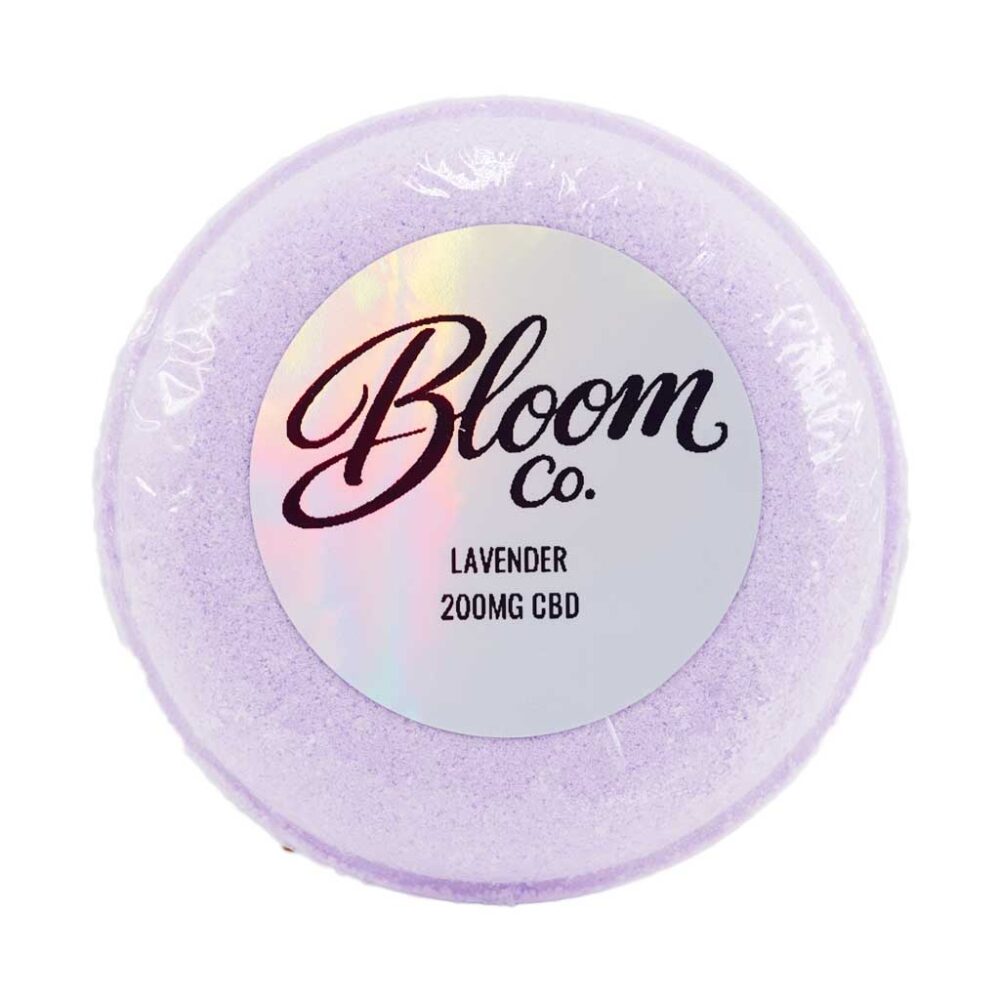
- CBD bath bombs: Soaking in a bath with CBD bath bombs can help relax sore muscles and ease systemic inflammation. The warm water also helps increase blood flow, which may improve absorption.
- Vape pens: Inhaling CBD gets it into your system fast, which is helpful for acute pain or anxiety. But the effects fade sooner, so it's less ideal for all-day inflammation management.
Quality Matters: Extraction and Full-Spectrum Benefits
When you shop for CBD products, the quality of the hemp and the extraction method influence how well it works. CO2 extraction is considered a clean method because it uses carbon dioxide under pressure to pull out the cannabinoids and terpenes without leaving chemical solvents behind. This method tends to preserve a wider range of beneficial compounds, including the terpenes and flavonoids that work alongside CBD. Those additional compounds create what is often called the entourage effect, where the whole plant extract works better than isolated CBD alone.
Full-spectrum CBD includes not just CBD but also trace amounts of other cannabinoids, terpenes, and flavonoids. For inflammation, this matters because some of those minor compounds have their own anti-inflammatory properties. They may also help the body absorb CBD more effectively. A good full-spectrum product can offer more consistent relief than a CBD isolate, especially for conditions like arthritis where multiple factors are at play.
What the Research Says So Far
Several clinical trials have examined cbd for inflammation, and the results are promising but not conclusive. A 2018 study on rats showed that CBD significantly reduced joint swelling and pain behavior. Human studies are more mixed, partly because dosing is still being figured out. One large review of existing studies concluded that CBD has a clear anti-inflammatory effect in experimental models, but the evidence in humans is still limited by small sample sizes and short durations. That said, many people with arthritis report that using CBD oil or CBD balms helps them move more easily and feel less pain throughout the day.
Neuropathic pain, which often stems from nerve damage and inflammation, is another area where CBD shows potential. Some research suggests that CBD can reduce the transmission of pain signals by interacting with receptors involved in pain modulation. This is different from how typical painkillers work, and it might explain why some people find relief with CBD when other treatments have failed. It's not a substitute for medical care, but it can be a helpful addition to a pain management plan.
Practical Tips for Using CBD
If you're new to using cbd for inflammation, start with a low dose and go slow. Everyone's body responds differently. A good starting point might be a 10 to 20 milligram dose of CBD oil taken twice a day. If you don't feel much after a week, you can increase the dose gradually. Keep a journal of how you feel, noting any changes in pain, stiffness, or sleep quality. This helps you find your own sweet spot.
For localized inflammation, like a swollen knee or a sore wrist, a CBD balm can be very effective. Apply it directly to the area and massage it in gently. The balm usually takes about 15 to 20 minutes to start working, and the relief can last a few hours. For more systemic issues, like whole-body inflammation from an autoimmune condition, edibles or oil might be a better choice because they distribute CBD throughout your system.
One thing to keep in mind: CBD can interact with other medications, especially those that are processed by the liver. If you take prescription anti-inflammatories or blood thinners, talk to your doctor before adding CBD to your routine. Also, be aware that the FDA does not regulate CBD products the same way it regulates drugs, so quality varies widely. Look for products that have been tested by a third-party lab and that list the amount of CBD per serving clearly.
Where to Find Reliable Products
Stores like KushStation offer a curated selection of CBD products, which can take some of the guesswork out of shopping. They carry CBD balms, edibles, vape pens, bath bombs, and other items that are tested for potency and purity. When you buy from a reputable source, you're more likely to get a product that matches what's on the label. That matters a lot when you're using CBD for a specific purpose like managing inflammation.
In the end, CBD is not a magic bullet. It works best as part of a broader approach that includes good nutrition, exercise, stress management, and proper sleep. But for many people dealing with daily aches and chronic conditions, it offers a gentle, natural way to take the edge off. The science is still catching up to the real-world use, but the growing body of research and the thousands of personal stories suggest that cbd for inflammation is worth a serious look.
Corrections
Spot something wrong? Send it to the desk and it gets fixed in the open.